
ข้อกังขา


Language


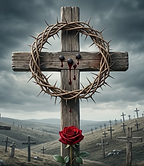


The True Gospel
e


The spiritual path begins with a direct call from Yeshua: “Repent, for the kingdom of heaven is at hand.” This imperative is the doorway to salvation—a foundational, inward shift away from sin and a fallen world, and a redirection of the heart toward the sovereign authority of God.
-
Matthew 4:17 — “From that time Jesus began to preach, and to say, ‘Repent: for the kingdom of heaven is at hand.’”
-
Mark 1:15 — “And saying, ‘The time is fulfilled, and the kingdom of God is at hand: repent ye, and believe the gospel.’”
2. The Doorway: Water Baptism and the Holy Spirit
Following the resurrection and ascension of Yeshua, Peter declared the active steps of covenant entry at Pentecost: turning in repentance, being buried with Messiah in baptism, and receiving divine empowerment through the Spirit.
-
Acts 2:38 — “Then Peter said unto them, ‘Repent, and be baptized every one of you in the name of Jesus Christ for the remission of sins, and ye shall receive the gift of the Holy Ghost.’”
-
John 3:5 — “Jesus answered, ‘Verily, verily, I say unto thee, Except a man be born of water and of the Spirit, he cannot enter into the kingdom of God.’”
3. The Blood: Grafted into the Commonwealth of Israel
By the blood shed on the tree, the dividing wall of hostility was torn down. Nations once alienated from the promises and covenants are brought near and grafted as wild olive branches into the root of Israel.
-
Ephesians 2:12–13 — “That at that time ye were without Christ, being aliens from the commonwealth of Israel, and strangers from the covenants of promise, having no hope, and without God in the world: But now in Yesgua messiah ye who sometimes were far off are made nigh by the blood of Christ.”
-
Romans 11:17 — “And if some of the branches be broken off, and thou, being a wild olive tree, wert graffed in among them, and with them partakest of the root and fatness of the olive tree.”
4. The Commission: Gathering Others into the Harvest
Salvation is not walked in isolation; a grafted branch bears fruit. Believers are commanded to act as fishers of men and ambassadors, working to gather the lost into the Father’s house before the end.
-
Matthew 28:19–20 — “Go ye therefore, and teach all nations, baptizing them in the name of the Father, and of the Son, and of the Holy Ghost: Teaching them to observe all things whatsoever I have commanded you.”
-
Matthew 9:37–38 — “Then saith he unto his disciples, ‘The harvest truly is plenteous, but the labourers are few; Pray ye therefore the Lord of the harvest, that he will send forth labourers into his harvest.’”
-
Luke 14:23 — “And the lord said unto the servant, ‘Go out into the highways and hedges, and compel them to come in, that my house may be filled.’”
5. The Perseverance: Holding Fast Until the End
The culmination of salvation requires endurance through trials, testing, and persecution. The promise of the eternal crown belongs to those who do not turn back.
-
Matthew 24:13 — “But he that shall endure unto the end, the same shall be saved.”
-
Hebrews 10:35–36 — “Cast not away therefore your confidence, which hath great recompence of reward. For ye have need of patience, that, after ye have done the will of God, ye might receive the promise.”
-
Revelation 2:25–26 — “But that which ye have already hold fast till I come. And he that overcometh, and keepeth my works unto the end, to him will I give power over the nations.”
ข่าวประเสริฐที่แท้จริง
ไม่มีที่ไหนในพระคัมภีร์ที่พระเยซูตรัสว่าข่าวประเสริฐเกี่ยวกับการที่พระองค์จะเสด็จมาสิ้นพระชนม์เพื่อบาปของเรา
พระเยซูเทศนาอะไร?
หลายคนคงตกใจเมื่อพบว่าพระคัมภีร์ให้คำจำกัดความของข่าวประเสริฐแตกต่างจากที่พวกเขาเคยบอกไว้ การอ่านอย่างถี่ถ้วนแสดงให้เห็นว่าการยอมรับพระโลหิตของพระคริสต์เพื่อชำระบาปของเรา—โดยพื้นฐานแล้วมีความสำคัญ—ไม่ใช่จุดเน้นของ “ข่าวดี” ที่พระองค์นำมาและอัครสาวกยังคงเทศนาต่อไป นอกเหนือจากการสิ้นพระชนม์เพื่อบาปของเราแล้ว พระเยซูเสด็จมายังโลกในฐานะผู้ส่งสารจากพระเยโฮวาห์พระบิดา:
ข่าวดีคือพระเยโฮวาห์ทรงแต่งตั้งพระเยซูเพื่อประกาศการเสด็จมาของอาณาจักรของพระองค์บนโลกนี้
-
ยอห์น 8:38 เราพูดถึงสิ่งที่เราได้เห็นกับพระบิดาของเรา และท่านทั้งหลายก็ทำตามที่ท่านได้ยินจากบิดาของท่าน”
-
ยอห์น 12:49-50 เพราะเรามิได้พูดตามใจตนเอง แต่พระบิดาผู้ทรงส่งเรามานั้นทรงประทานบัญญัติแก่เราเองว่าจะพูดอะไรและพูดอะไร 50 และข้าพเจ้ารู้ว่าพระบัญญัติของพระองค์คือชีวิตนิรันดร์ เราพูดอย่างไรก็พูดตามที่พระบิดาตรัสบอกเรา”
-
ยอห์น 14:24 ผู้ที่ไม่รักเราไม่ประพฤติตามคำของเรา คำที่ท่านได้ยินนั้นไม่ใช่คำของเรา แต่เป็นของบรรพบุรุษผู้ส่งเรามา
-
ลูกา 4:43 พระเยซูตรัสกับพวกเขาว่า "ฉันต้องประกาศเรื่องอาณาจักรของพระเยโฮวาห์แก่
เมืองอื่นๆ ด้วย เพราะข้าพเจ้าถูกส่งมาเพื่อจุดประสงค์นี้"
แม้ว่าเยชูอาจะเป็นบุคคลที่สำคัญที่สุดอย่างเด็ดขาดที่เคยเดินบนโลกนี้ พระคัมภีร์แสดงให้เห็นอย่างชัดเจนว่าข่าวประเสริฐที่พระเยซูนำมาไม่ใช่แค่เกี่ยวกับพระองค์เอง อ่านข้อความของพระองค์และพิสูจน์ด้วยตัวคุณเอง:
-
มัทธิว 9:35 พระเยซูเสด็จไปตามเมืองและหมู่บ้านต่างๆ ทรงสั่งสอนในธรรมศาลา ทรงประกาศข่าวประเสริฐแห่งอาณาจักร ทรงรักษาโรคภัยไข้เจ็บทุกอย่างให้หาย 36 เมื่อพระองค์ทอดพระเนตรเห็นฝูงชนก็ทรงสงสารเขา เพราะพวกเขาถูกรังควานและไร้ที่พึ่งเหมือนฝูงแกะที่ไม่มีคนเลี้ยง...
-
มาระโก 1:14-15 หลังจากที่ยอห์นถูกจำคุกแล้ว พระเยซูเสด็จมายังแคว้นกาลิลี ทรงเทศนา
ข่าวประเสริฐแห่งอาณาจักรของพระเจ้า และกล่าวว่า "เวลามาถึงแล้ว และอาณาจักรของพระเจ้ามาใกล้แล้ว จงกลับใจใหม่ และเชื่อในข่าวประเสริฐ"
43
-
ลูกา 8:1 ต่อมาภายหลังพระเยซูเสด็จไปทุกเมืองและทุกหมู่บ้าน ทรงเทศนาและนำข่าวดีเรื่องอาณาจักรของพระเจ้า
-
ลูกา 16:16 ธรรมบัญญัติและผู้เผยพระวจนะมีอยู่จนถึงยอห์น ตั้งแต่นั้นมาก็มีการประกาศเรื่องอาณาจักรของพระเจ้า และทุกคนก็เร่งรีบเข้ามา
-
มัทธิว 24:14 สวรรค์และโลกจะสูญสลายยังง่ายกว่าที่ธรรมบัญญัติจะขาดไปแม้แต่คำเดียว และข่าวประเสริฐเรื่องอาณาจักรนี้จะประกาศไปทั่วโลกเพื่อเป็นพยานแก่ทุกประชาชาติ แล้วจุดจบจะมาถึง
การประกาศ "ข่าวดี" ซึ่งเป็นข่าวที่ดีที่สุดที่จะได้ยินในวันนี้ ซึ่งพระบิดาได้ประทานผ่านทางเยชูอา เป็นเรื่องเกี่ยวกับอาณาจักรของพระองค์ที่กำลังได้รับการสถาปนาบนแผ่นดินโลก อาณาจักรคืออะไร?
โดยพื้นฐานแล้วเป็นประเทศที่มีพลเมือง ที่ดิน และกฎหมายทั้งหมด ปกครองโดยรัฐบาล ในการใช้งานตามพระคัมภีร์ อาณาจักรยังหมายถึงครอบครัวที่มีพ่อแม่เลี้ยงเดี่ยวเติบโตเป็นชาติ
อาณาจักรมีองค์ประกอบพื้นฐานสี่ประการ:
-
กษัตริย์ ผู้ปกครองสูงสุด หรือตัวแทนปกครอง
-
ดินแดนที่มีตำแหน่งเฉพาะและเส้นเขตแดนที่แน่นอน
-
อาสาสมัครหรือพลเมืองภายในเขตอำนาจศาล;
-
และกฎหมายและรูปแบบของรัฐบาลที่ใช้ความประสงค์ของผู้ปกครอง หากเราเพิกเฉยต่อองค์ประกอบที่สำคัญเหล่านี้—หากเราเพิกเฉยต่อข่าวสารที่พระเยซูทรงนำมาจากพระบิดา—เราจะมีความเชื่อที่บิดเบี้ยว ซึ่งจะไม่นำมาซึ่งความรอด
ใครจะเป็นราชา?
ไม่ต้องสงสัยเลยว่ากษัตริย์แห่งราชอาณาจักรของพระเจ้าจะเป็นพระเยซู แม้ว่าพระองค์จะมิได้ทรงใช้อำนาจใดๆ ในโลกนี้ แต่เมื่อเสด็จกลับมา พระองค์จะเป็น "กษัตริย์เหนือกษัตริย์และเจ้านายเหนือเจ้านาย" 1 ทิโมธี 6:15; วิวรณ์ 19:16; 17:14).
ผู้เผยพระวจนะคนอื่นๆ ทำนายถึงกษัตริย์ที่กำลังจะมาเช่นกัน ไม่ใช่แค่ของอิสราเอลและยูดาห์เท่านั้น แต่ขยายไปทั่วโลกด้วย อิสยาห์บอกเราว่า:
เพราะว่ามีเด็กคนหนึ่งเกิดมาเพื่อเรา และประทานพระบุตรแก่เรา และรัฐบาลจะอยู่บนบ่าของเขา และชื่อของเขาจะถูกเรียกว่า ที่ปรึกษามหัศจรรย์ พระเจ้าผู้ทรงฤทธานุภาพ พระบิดานิรันดร์ เจ้าชายแห่งสันติ การเพิ่มขึ้นของการปกครองและสันติภาพจะไม่มีที่สิ้นสุดบนบัลลังก์ของดาวิดและเหนืออาณาจักรของพระองค์ เพื่อสั่งการและสถาปนามันด้วยการพิพากษาและความยุติธรรมตั้งแต่นั้นเป็นต้นมาและตลอดไป ความกระตือรือร้นของพระเจ้าจอมโยธาจะกระทำสิ่งนี้ (อิสยาห์ 9:6-7)
อาณาจักรจะตั้งขึ้นที่ไหน? ความเท็จที่เด่นชัดที่ซาตานหลอกหลอนมนุษย์คือความเชื่อที่ว่าวิญญาณของคนเราไปสู่สวรรค์หลังความตาย หลายคนคิดว่าวลี Kingdom of God มีความหมายเหมือนกันกับสวรรค์ แต่พระคัมภีร์สอนว่าเมื่อพระเยซูเสด็จกลับมา อาณาจักรของพระเจ้าจะสถาปนาขึ้นบนโลก!
ประการแรก สังเกตว่าพระคัมภีร์หักล้างแนวคิดเรื่อง "การไปสวรรค์" หลังความตายโดยสิ้นเชิงอย่างไร เปโตรบอกฝูงชนในวันเพ็นเทคอสต์ว่า "ท่านพี่น้องทั้งหลาย ข้าพเจ้าขอพูดกับท่านตามอัธยาศัยเกี่ยวกับพระสังฆราชดาวิด ท่านทั้งสองตายและถูกฝังไว้ และหลุมศพของท่านก็อยู่กับเราจนถึงทุกวันนี้..
.. เพราะดาวิดไม่ได้ขึ้นสู่สวรรค์" (กิจการ 2:29, 34) "คนที่อยู่ในพระทัยของพระเจ้า" คนนี้ไม่ได้อยู่ในสวรรค์แต่ยังอยู่ในหลุมฝังศพ!
-
ยอห์น 3:13: "ไม่มีใครได้ขึ้นสู่สวรรค์ นอกจากพระองค์ที่ลงมาจากสวรรค์ ซึ่งก็คือบุตรมนุษย์ผู้สถิตในสวรรค์"
-
ปัญญาจารย์ 9:5,10 วิสุทธิชนที่ตายไปแล้วในพันธสัญญาเดิมและพันธสัญญาใหม่กำลังนอนหลับอยู่ในหลุมฝังศพของพวกเขา รอคอยการฟื้นคืนชีพ - โดยไม่รู้สึกตัว
-
โยบ 14:14-15 โยบอธิบายการรอคอยการฟื้นคืนชีพในลักษณะนี้: "ถ้ามนุษย์ตายเขาจะมีชีวิตอีกหรือ ตลอดวันเวลาแห่งการทำงานหนักของฉัน ฉันจะรอจนกว่าการเปลี่ยนแปลงของฉันจะมาถึง คุณจะเรียกและฉันจะ ตอบคุณ.
-
วิวรณ์ 5:10 “และพระองค์ได้ทรงสร้างพวกเขาให้เป็นอาณาจักร (เชื้อพระวงศ์) และเป็นปุโรหิตของพระเจ้าของเรา และพวกเขาจะครอบครองแผ่นดินโลก!”
-
วิวรณ์ 11:15 แล้วทูตสวรรค์องค์ที่เจ็ดเป่าแตรขึ้น และมีเสียงต่างๆ ดังในสวรรค์ว่า “อาณาจักรของโลกนี้กลายเป็นอาณาจักรของพระเยโฮวาห์และพระบุตรของเรา และพระองค์จะทรงครอบครองตลอดไปเป็นนิตย์!”
-
วิวรณ์ 21:21. และข้าพเจ้าได้เห็นท้องฟ้าใหม่และแผ่นดินโลกใหม่ เพราะฟ้าสวรรค์เดิมและแผ่นดินโลกเดิมได้ล่วงลับไปแล้ว และไม่มีทะเลอีกต่อไป จากนั้นข้าพเจ้า ยอห์น ได้เห็นกรุงเยรูซาเล็มใหม่ซึ่งลงมาจากสวรรค์จากพระเจ้า เตรียมพร้อมเป็นเจ้าสาวสำหรับสามีของเธอ และข้าพเจ้าได้ยินเสียงดังจากสวรรค์ว่า "ดูเถิด พลับพลาของพระเจ้าอยู่กับมนุษย์ และพระองค์จะประทับอยู่กับพวกเขา และพวกเขาจะเป็นประชากรของพระองค์ พระเจ้าเองจะสถิตอยู่กับพวกเขาและเป็นพระเจ้าของพวกเขา และพระเจ้าจะทรงเช็ดล้าง น้ำตาทุกหยดจากดวงตาของพวกเขาจะไม่มีความตายอีกต่อไป ความโศกเศร้า การร้องไห้ จะไม่มีความเจ็บปวดอีกต่อไป
…
-
วิวรณ์ 21:1 ผู้ใดมีชัยชนะจะได้รับสิ่งทั้งปวงเป็นมรดก และเราจะเป็นพระเจ้าของเขา และเขาจะเป็นบุตรของเรา" ใครคือราษฎรและพลเมืองของราชอาณาจักร แม้ว่าโลกทั้งโลกจะถูกปกครองโดยพระเยซูเมื่อพระองค์ทรงสถาปนาราชอาณาจักรบน โลก ไม่ใช่ทุกคนบนโลกที่จะเป็นพลเมืองของอาณาจักรนั้น ทุกคนจะอยู่ภายใต้การปกครองของราชา แต่ไม่ใช่ทุกคนที่จะเข้าสู่อาณาจักรฝ่ายวิญญาณนั้น
-
ยอห์น 3:3 พระเยซูทรงเปิดเผยความจริงนี้แก่นิโคเดมัส เมื่อนิโคเดมัสมาหาพระองค์ในเวลากลางคืน พระเยซูตรัสกับเขาว่า "เราบอกความจริงแก่ท่านทั้งหลายว่า ถ้าผู้ใดไม่ได้บังเกิดใหม่แล้ว ผู้นั้นจะไม่เห็นแผ่นดินของพระเจ้า"
-
1 โครินธ์ 15:50 เปาโลบอกชาวโครินธ์ว่า "เนื้อและเลือด [มนุษย์ที่ต้องตาย] ไม่สามารถรับอาณาจักรของพระเจ้าเป็นมรดกได้ และการเสื่อมทรามก็ไม่เป็นมรดกที่ไม่เสื่อมสลาย" แม้ว่าเราจะมีร่างกายที่มีเนื้อและเลือด เราอาจเป็นทายาทของอาณาจักร แต่เราไม่สามารถเข้าไปได้ เข้าไปในอาณาจักรโดยสมบูรณ์ เราจะมองไม่เห็นจนกว่าเราจะกลายเป็นวิญญาณ—ได้รับร่างกายที่ประกอบด้วยวิญญาณอันรุ่งโรจน์ในการฟื้นคืนชีวิต
นี่หมายความว่า แม้ว่ามนุษยชาติทั้งหมดจะอยู่ภายใต้อาณาจักรที่พระเยซูจะปกครองบนโลก แต่พวกเขาก็ไม่จำเป็นต้องเป็นส่วนหนึ่งของอาณาจักร
มัทธิว 25:31-34 เมื่อบุตรมนุษย์เสด็จมาด้วยพระรัศมีพร้อมกับบรรดาทูตสวรรค์บริสุทธิ์ เมื่อนั้นพระองค์จะประทับบนบัลลังก์แห่งพระสิริของพระองค์ ประชาชาติทั้งหมดจะมารวมกันต่อพระพักตร์พระองค์ และพระองค์จะทรงแยกพวกเขาออกจากกัน เหมือนผู้เลี้ยงแกะแยกแกะออกจากฝูงแพะ และพระองค์จะทรงตั้งแกะไว้เบื้องขวา แต่แพะอยู่เบื้องซ้าย แล้วกษัตริย์จะตรัสกับบรรดาผู้ที่อยู่เบื้องขวาของพระองค์ว่า "มาเถิด ท่านผู้ได้รับพรจากพระบิดาของเรา รับอาณาจักรซึ่งเตรียมไว้สำหรับท่านตั้งแต่เริ่มสร้างโลกเป็นมรดก" ดังนั้น อาณาจักรของพระเจ้าจะถูกปกครองโดยพระเยซู และจะได้รับมรดกโดยผู้ที่ได้รับเกียรติเมื่อฟื้นคืนชีพจากความตาย วิสุทธิชนที่ฟื้นคืนชีพ—พลเมืองแห่งอาณาจักรของพระเจ้า—จะปกครองไปพร้อมกัน
พระเยซูเหนือชนชาติที่เหลืออยู่บนแผ่นดินโลก (ดาเนียล 7:27; 2 ทิโมธี 2:12; วิวรณ์ 2:26-28; 5:9-10; 20:4-6; 22:5) กฎหมายของราชอาณาจักรคืออะไร?
-
ผู้วินิจฉัย 21:25. กฎหมายเป็นเพียงแนวทางให้ผู้คนปฏิบัติตามเพื่อให้แน่ใจว่ามีความสามัคคี ข้อตกลง และสันติภาพในความสัมพันธ์ทางแพ่งและระหว่างบุคคล หากปราศจากมาตรฐานที่เข้าใจซึ่งถูกบังคับใช้โดยผู้ปกครองสูงสุด ทุกคนก็จะทำตามความตั้งใจหรือความปรารถนาของตนเอง และจะไม่มีอะไรดีหรือคุ้มค่าเกิดขึ้น อาณาจักรของพระเจ้าก็ไม่ต่างกัน
-
1 โครินธ์ 14:33 พระเจ้าไม่ใช่ผู้สร้างความสับสน อาณาจักรของพระองค์จะสงบสุขและเป็นระเบียบเพราะทุกคนที่เข้ามาในอาณาจักรจะยอมจำนนต่อกฎ - พระบัญญัติ - ของพระเจ้าโดยสมัครใจ พระเจ้าจะไม่มีใครในอาณาจักรของพระองค์ที่แสดงตามแบบแผนชีวิตของเขาว่าเขาจะไม่เชื่อฟังพระองค์
-
(มัทธิว 7:21-23; ฮีบรู 10:26-31) วิวรณ์ 12:17 อธิบายวิสุทธิชนว่าเป็น "ผู้ที่รักษาพระบัญญัติของพระเจ้าและมีคำพยานของพระเยซู
ถ้อยแถลงทั้งสองนี้ - รักพระเจ้าและรักเพื่อนบ้านเหมือนรักตนเอง - สรุปพระบัญญัติสี่ข้อแรกและหกข้อสุดท้ายตามลำดับ พระบัญญัติเพียงกำหนดเพิ่มเติมว่าจะรักพระผู้เป็นเจ้าและรักมนุษย์อย่างไร เรารักพระเจ้าโดยทั่วๆ ไปโดยให้พระองค์มาเป็นอันดับแรก โดยไม่ใช้สิ่งช่วยทางกายภาพในการนมัสการพระองค์ ไม่ออกพระนามของพระองค์โดยเปล่าประโยชน์ และรักษาวันสะบาโตวันที่เจ็ดให้ศักดิ์สิทธิ์ โดยทั่วไป เรารักมนุษย์โดยให้เกียรติบิดามารดา ไม่ฆ่าคน ไม่ประพฤติผิดประเวณี ไม่ลักขโมย ไม่โกหก และไม่โลภ
-
ยอห์น 14:15 “ถ้าท่านรักเรา จงรักษาบัญญัติของเรา ผู้ใดมีบัญญัติของเราและรักษาบัญญัติเหล่านั้น ผู้นั้นแหละรักเรา และผู้ที่รักเรา พระบิดาของเราจะทรงรักเรา และเราจะรักเขาและสำแดงให้ปรากฏ ตัวเองให้เขา” “ถ้าใครรักเรา ผู้นั้นจะประพฤติตามคำของเรา และพระบิดาจะทรงรักเขา แล้วเราจะมาหาเขาและจะอยู่กับเขา ผู้ไม่รักเราก็ไม่รักษาคำของเรา และคำที่เจ้าได้ยิน ไม่ใช่ของเราแต่เป็นบรรพบุรุษที่ส่งเรามา”
The Gospel (in Hebrew, the Besorah—"good news") that Yeshua (Jesus) personally preached is summarized in Mark 1:14–15:
"Now after John was put in prison, Yeshua came to Galilee, preaching the gospel of the kingdom of God, and saying, 'The time is fulfilled, and the kingdom of God is at hand. Repent, and believe in the gospel.'"
While modern ears often hear "the gospel" defined exclusively as the mechanics of individual salvation (how to go to heaven when you die), Yeshua’s proclamation was broader, deeper, and grounded in the Hebrew Scriptures: the Gospel of the Kingdom of God (Besorat HaMalkhut).
He announced that the sovereign rule, authority, and covenant reign of the Creator had broken directly into this fallen world through the King Himself.
1. "The Time is Fulfilled" (Prophetic Arrival)
When Yeshua said the time was fulfilled, He was speaking to a nation longing for deliverance. The prophecies of Daniel (the timeline of Daniel 9 and the stone that crushes the kingdoms of the world in Daniel 2) and Isaiah were reaching their climax.
In Luke 4:18–19, He opened the scroll of Isaiah 61 in the Nazareth synagogue to define His mandate:
-
Preaching good tidings to the poor and humble.
-
Healing the brokenhearted.
-
Proclaiming liberty to the captives and the opening of prison to those who are bound.
-
Proclaiming the acceptable year of the Lord (the ultimate Jubilee release from sin and debt).
-
2. "The Kingdom of God is at Hand" (The Core Proclamation)
Yeshua did not preach an abstract philosophy; He preached an active government and reign:
-
Sovereignty over the Kingdom of Darkness: Every time Yeshua cast out a demon, healed incurable diseases, or raised the dead, He was demonstrating that Satan’s usurpation of the earth was being overthrown. "If I cast out demons by the finger of God, surely the kingdom of God has come upon you" (Luke 11:20).
-
The Nature of the King’s Reign: His kingdom was not of this worldly system—it did not advance through political intrigue, violence, or human armies (John 18:36). Instead, it advanced through truth, sacrificial love, humility, and righteousness.
-
Present and Future: The Kingdom is already here in the hearts and walk of those who submit to the King, and it is yet to come in its physical, global fullness when the King returns to establish His reign in Jerusalem (Zechariah 14; Revelation 11:15).
-
3. "Repent" (Teshuvah — A Complete Return)
To enter this Kingdom, the requirement was not a passive intellectual nod, but Teshuvah—a radical turning around:
-
Turning from Self-Rule to God's Rule: Repentance means laying down rebellion, secular autonomy, and false religious pretenses.
-
Internalizing the Commandments: In the Sermon on the Mount (Matthew 5–7), Yeshua explained the constitution of the Kingdom. He made it clear that He did not come to abolish the Law or the Prophets, but to fill them to the full (Matthew 5:17). Kingdom repentance goes beyond external legalism to the motives of the heart—eradicating lust, hatred, pride, and greed.
-
Fruit of Repentance: Just as John the Baptist warned, Yeshua taught that true repentance always bears observable, righteous fruit (Matthew 7:16–21).
-
4. "Believe in the Good News" (Covenant Faith & Allegiance)
In the biblical mindset, "belief" (emunah) is not merely agreeing that God exists; it is active loyalty, trust, and obedience to the King:
-
Trusting the Father’s Provision: Ceasing to worry about food, drink, and clothing like the nations do, but rather "seeking first the kingdom of God and His righteousness, and all these things shall be added to you" (Matthew 6:33).
-
Trusting the Sacrifice of the Son: Yeshua taught that He came "not to be served, but to serve, and to give His life a ransom for many" (Mark 10:45). The Good News is that the King took the curse of our disobedience upon Himself at Passover, shedding His blood to ratify the New Covenant (Matthew 26:28).
-
Victory Over the Grave: Yeshua promised that whoever hears His word and believes Him who sent Him has passed from death into life (John 5:24), anchored by His own resurrection as the firstfruits from the dead.
-
5. Summary: What Entering the Gospel Requires
In Yeshua's own words, walking in the Gospel means:
-
Denying Self: "If anyone desires to come after Me, let him deny himself, and take up his cross daily, and follow Me" (Luke 9:23).
-
Obeying the Father's Will: "Not everyone who says to Me, 'Lord, Lord,' shall enter the kingdom of heaven, but he who does the will of My Father in heaven" (Matthew 7:21).
-
Loving God and Neighbor: Loving the Lord with all your heart, soul, mind, and strength, and loving your neighbor as yourself (Mark 12:29–31).
-
Proclaiming the Kingdom to All Nations: "And this gospel of the kingdom will be preached in all the world as a witness to all the nations, and then the end will come" (Matthew 24:14).
In short, the Gospel Yeshua taught is the royal proclamation that God’s reign has arrived in His Messiah, calling every human heart to turn away from sin, enter covenant peace with the Father through the Son, and live as an obedient citizen of His eternal Kingdom.
In ancient kingdoms, when a king ascended his throne, he issued a royal charter or legal code declaring how his realm would be governed and what was expected of his subjects. In Matthew 5–7, Yeshua goes up on a mountain—echoing Moses ascending Mount Sinai—sits down in the posture of a reigning king and teacher, and delivers the manifesto of His newly inaugurated reign.
The Sermon on the Mount is not an impractical, idealistic philosophy, nor is it a checklist to earn salvation. It is the living, practical constitution of the Kingdom of God, dictating the character, inner motives, ethics, and daily allegiance required of every citizen walking under Messiah's rule.
1. The Preamble: The Citizen’s Internal Disposition (The Beatitudes)
Any national constitution opens with foundational values. Earthly empires prize military conquest, political clout, wealth, and self-assertion. Yeshua begins His charter (Matthew 5:3–12) by turning the world's value system completely upside down:
-
Poor in Spirit: Recognizing total spiritual bankruptcy and utter dependence on the King.
-
Mourning: Grieving over personal sin and the brokenness of a fallen world.
-
Meekness: Possessing harnessed strength, patience, and humility rather than violent ambition.
-
Hunger for Righteousness: Longing for God’s righteous order to prevail more than craving food or physical comfort.
-
Mercy and Purity of Heart: Extending forgiveness and maintaining undivided, uncorrupted loyalty to God.
-
Peacemaking: Actively reconciling estranged parties, reflecting the character of the Father.
These are not separate groups of people receiving different rewards; together, they describe the temperament of the citizen who has laid down self-rule.
2. The Citizen’s Public Office: Salt and Light
Citizens of the Kingdom do not live in isolationist enclaves; they are embedded directly into a decaying and dark culture (Matthew 5:13–16):
-
Salt of the Earth: In antiquity, salt was a preservative that arrested rot and decay. Kingdom citizens preserve truth, hold back moral corruption, and bring spiritual flavor to the societies they inhabit.
-
Light of the World: Light exposes danger and guides the traveler. Believers do not hide their allegiance to the King; their visible, tangible good works shine so that observers give glory directly to the Father.
-
3. The Legal Standard: Fulfilling and Internalizing the Law
In Matthew 5:17–20, Yeshua establishes the legal framework of His government, dispelling any thought of lawlessness or anarchy:
"Do not think that I came to destroy the Law or the Prophets. I did not come to destroy but to fulfill. For assuredly, I say to you, till heaven and earth pass away, one jot or one tittle will by no means pass from the law till all is fulfilled."
To "fulfill" (pleroo) in Hebrew thought means to bring the law to its fullest intended meaning and expression, not to abolish it. Yeshua contrasts the superficial, external legalism of the religious establishment with the King’s internal standard. Through a series of six antitheses ("You have heard that it was said... but I say to you"), He shows that the King's law governs the thoughts and desires before an act is ever committed:
-
Murder vs. Contempt: It is not enough to refrain from physical murder; harboring bitter anger, resentment, or hurling venomous insults (Raca) makes one liable to judgment (5:21–26).
-
Adultery vs. Lust: Purity is not just refraining from physical unfaithfulness; looking with covetous intent is adultery in the heart (5:27–30).
-
Oaths vs. Total Integrity: Citizens do not need elaborate religious oaths or legal loopholes to verify their truthfulness; their word is their bond—their "Yes" means yes, and their "No" means no (5:33–37).
-
Retaliation vs. Sacrificial Generosity: Rather than demanding immediate vengeance ("an eye for an eye"), citizens yield personal rights, go the extra mile, and overcome evil with good (5:38–42).
-
Love for Enemies: The ultimate test of Kingdom citizenship is reflecting the Father’s indiscriminate benevolence—praying for persecutors and blessing those who curse you (5:43–48).
-
4. Public Duty & Worship: Sincerity Over Religious Theater
In Matthew 6, Yeshua regulates the three primary pillars of personal religious duty: giving, prayer, and fasting. In earthly systems, piety is often weaponized for social prestige. In the Kingdom, performance art is condemned:
-
Secret Giving (Alms): Giving to the needy without sounding a trumpet or announcing tax write-offs; the left hand does not know what the right is doing.
-
Secret Prayer: Communing behind closed doors with the Father, rather than reciting vain, repetitive words to impress bystanders. He provides the Model Prayer (the Lord's Prayer), teaching citizens to align their desires with the Father’s name, His kingdom coming, and His will being done on earth.
-
Secret Fasting: Anointing the head and washing the face so that the physical affliction of fasting is unseen by men, directed only to the Father who sees in secret.
-
5. The Economic System: Trust, Not Striving
Every kingdom has an economy. The economy of the world is driven by fear, scarcity, hoarding, and status anxiety. The Kingdom of God operates on radical faith in divine provision (Matthew 6:19–34):
-
Currency: True wealth is not stored in physical barns, bank vaults, or commodities where moth and rust destroy; it is stored in heaven through generous, righteous living.
-
Singular Focus: A servant cannot serve two masters. You cannot pledge allegiance to the Creator while serving Mammon (wealth/money).
-
Freedom from Worry: Citizens do not sweat and panic over daily bread or clothing like the pagans do. The King feeds the birds of the air and clothes the lilies of the field. The citizen's sole operational directive is:
"Seek first the kingdom of God and His righteousness, and all these things shall be added to you." (Matthew 6:33)
6. Relational Protocol: Righteous Discernment Without Self-Righteous Condemnation
In Matthew 7:1–12, Yeshua sets the rules for how citizens treat one another:
-
The Spec and the Log: Before attempting to perform delicate eye surgery on a brother’s fault, remove the massive log of blind self-righteousness from your own eye.
-
Holy Discernment: While judgment is warned against, discernment is commanded—do not cast pearls before swine or give what is sacred to dogs.
-
Persistent Petitions: Keep asking, seeking, and knocking, trusting that the Father gives good gifts to His children.
-
The Royal Rule (The Golden Rule): "Whatever you want men to do to you, do also to them, for this is the Law and the Prophets." (Matthew 7:12)
-
7. The Ratification: Hearing vs. Doing
A constitution is useless if it is merely read and debated rather than obeyed. Yeshua concludes His address with four sobering warnings demanding personal allegiance:
-
Two Gates: The wide, crowded gate leading to destruction versus the narrow, difficult gate leading to life (7:13–14).
-
Two Trees: True prophets and false prophets, known not by their charisma or titles, but by their actual fruit (7:15–20).
-
Two Confessions: Warning that crying "Lord, Lord" or performing signs in His name is worthless if one practices lawlessness (anomia). Only those who do the will of the Father will enter (7:21–23).
-
Two Foundations: The sermon ends with a dramatic builder’s test. The person who hears these words and builds on them is a wise man who digs deep and anchors his house on the solid bedrock. When the storms, floods, and winds beat against that life, it stands firm. The person who hears and does not obey builds on shifting sand—and great is the fall of it (7:24–27).
-
When Yeshua concluded, the crowds were astonished. He did not quote human traditions or cite precedent like the scribes; He spoke as the Lawgiver and King Himself, laying down the permanent, unalterable rule of life for all who call Him Lord.